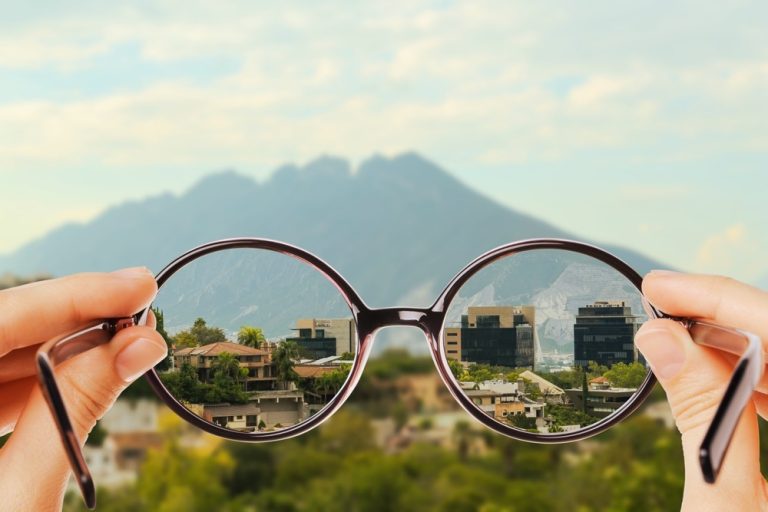
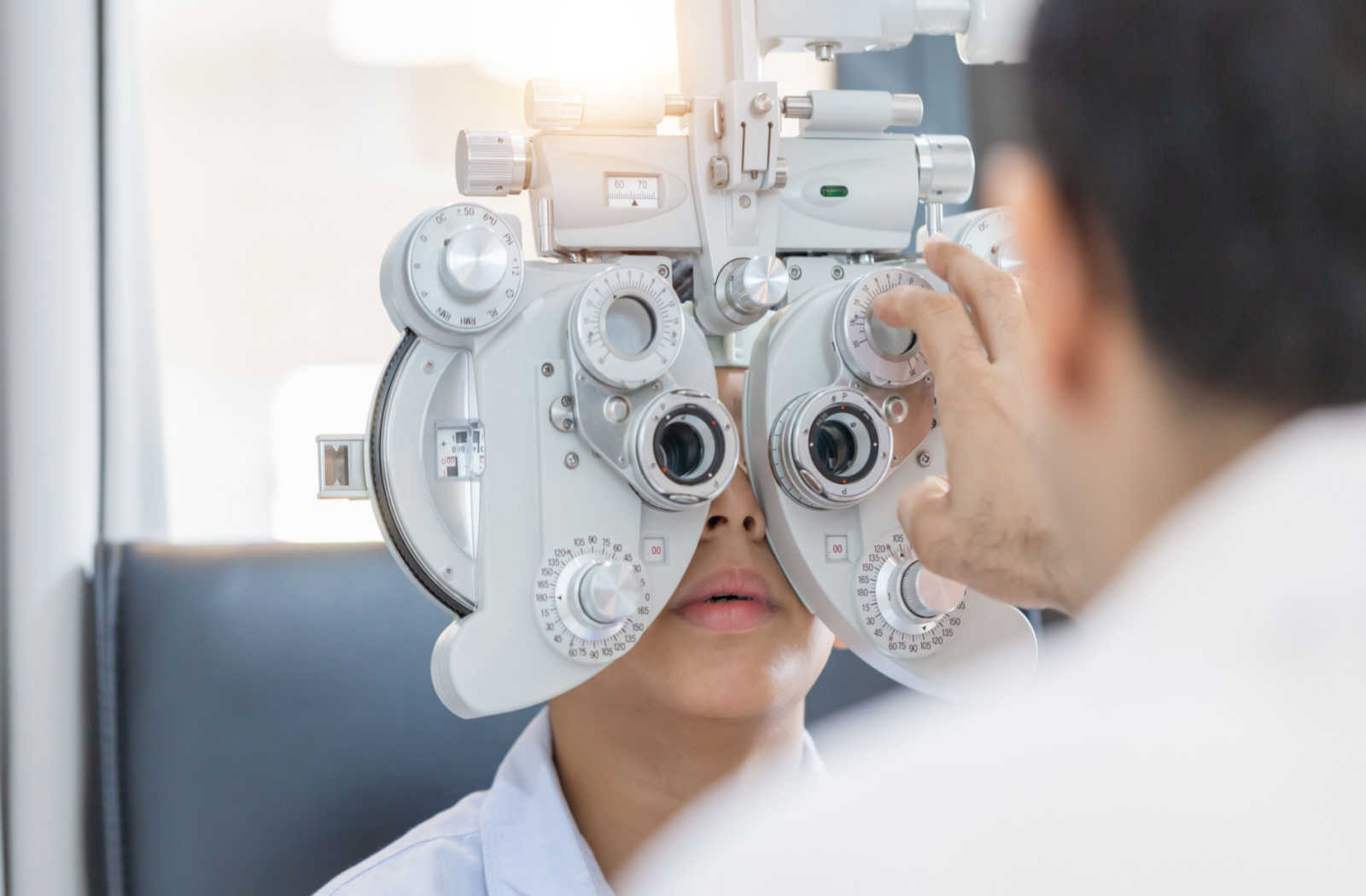
Myopia (nearsightedness) is a refractive error that causes distant objects to appear blurry. Its progression has been particularly common in children and adolescents in recent years, linked to prolonged screen time and lack of outdoor activity.
Why Is Active Management Necessary?
Although myopia is often genetically determined, leaving it untreated increases the risk of the following complications:
Central and peripheral retinal damage
Retinal detachment
Amblyopia (lazy eye)
Strabismus (squint)
Attention deficit, learning difficulties, hyperactivity in children
Headaches and eye pain
Modern Ways of Management:
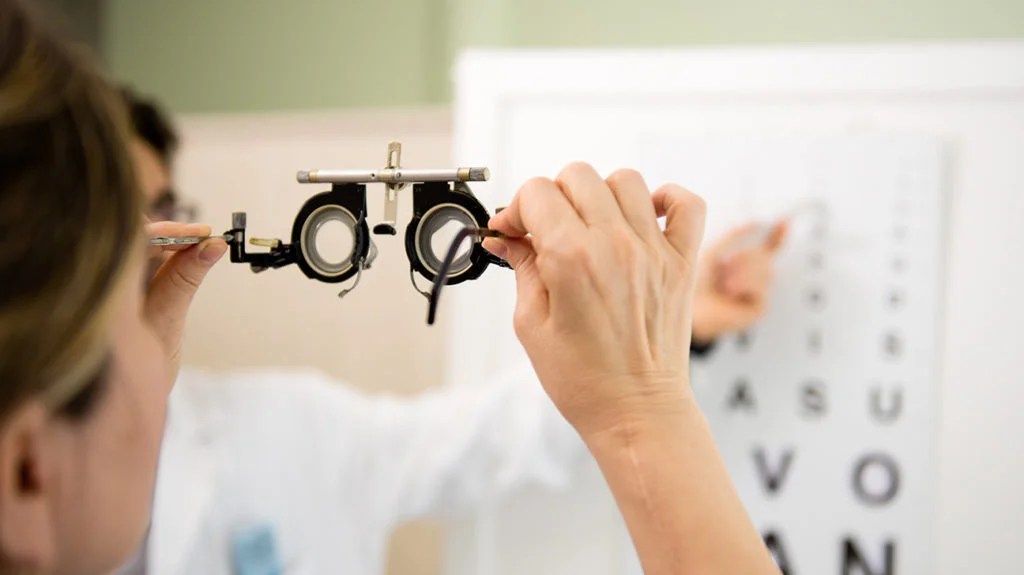
Choosing the right glasses
Low-dose atropine drops — slows down the rate of progression
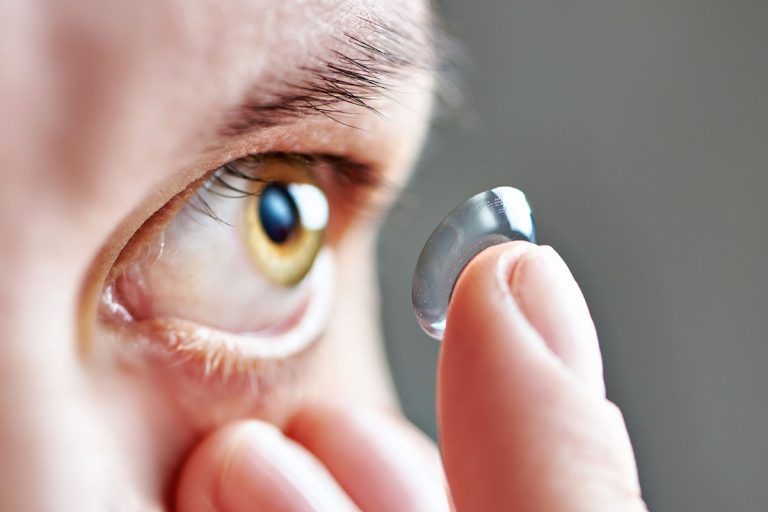
Night contact lenses (orthokeratology)
Lifestyle adjustments — more time outdoors, less time in front of the screen
Lazy Eye and Vision Rehabilitation
What Is Amblyopia:
Amblyopia (lazy eye) is a condition in which one or both eyes fail to develop full vision, despite being structurally healthy. This problem begins in childhood and is completely reversible in the early stages.
Reasons:
Strabismus (crossed eyes)
Anisometropia — a large refractive difference between the two eyes
Vision obscuration in early ages (congenital cataract and ptosis)
Psychosocial difficulties in childhood and adulthood
Modern Therapy:
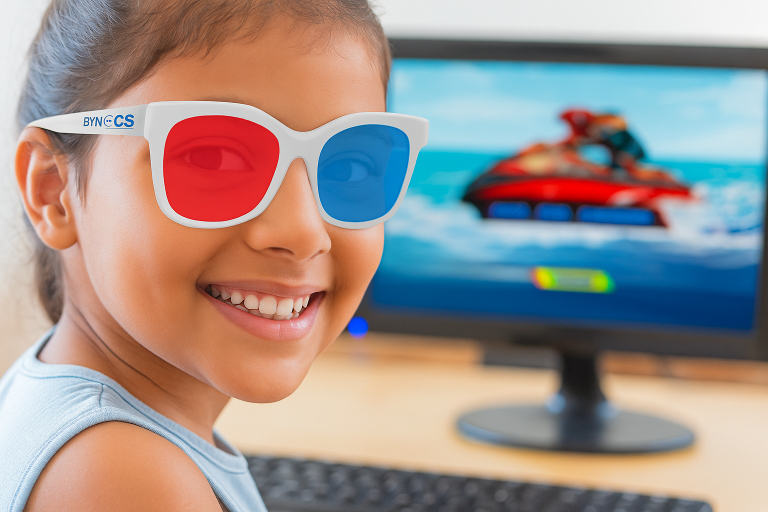
Bynocs — An innovative platform that uses game-based dichoptic exercises to be performed at home. The treatment does not require patching, is non-invasive, and is effective for all ages. 🔗 Visit the link: www.bynocs.com
Dry Eye Self-Test
(Screening tool – not a substitute for professional consultation)